

PlusAI Safety Case Framework
Our Safety Commitment to the Public, Partners, and Customers
PlusAI is committed to delivering a safe and reliable AI-based virtual driver. Safety is at the center of PlusAI’s work to deliver our SAE Level 4 (L4) driverless system, SuperDrive™, globally at scale and is the responsibility of every employee at PlusAI.
Our approach to safety draws from rigorous testing and validation, academic research, government and regulatory guidance, and accepted industry standards. This creates a safety culture embedded throughout the organization.
How the Framework Is Structured and Supported Through Extensive Claims and Evidence
The PlusAI Safety Case Framework (SCF) is a vital component of our commitment to safety. This working document is designed to demonstrate the safety and readiness of our L4 system, which is built on end-to-end AI models, for commercial launch on public roads. The framework will continue to evolve as PlusAI expands testing and moves toward deployment.
PlusAI shares the top three levels of our SCF for the public, regulators, customers and partners to understand how we ensure safety and track our progress towards launching SuperDrive™ in factory-built driverless trucks.
PlusAI’s SCF presents a structured argument, represented as a tiered structure of claims and supporting claims. Each level of the SCF supports our overall safety claim, incorporating core safety pillars, key arguments, argument efficacy, and detailed claims — all grounded in evidence.
Our Safety Case Framework is designed to demonstrate that SuperDrive™, our Level 4 self-driving system, meets best practice standards for public road deployment.
Built Upon Five Safety Pillars Covering the PlusAI Development Cycle
Use the interactive chart below to drill down through the first three levels of our Safety Case Framework (SCF): select a pillar to see its key arguments, then select an argument to see the detailed evidence behind it.
Safety Case: The PlusAI Safety Case is sufficiently suitable for the PlusAI system
- ComprehensiveThe PlusAI Safety Case is comprehensive and presents a complete argument justifying the PlusAI system is safe
- DocumentedThe PlusAI Safety Case is sufficiently documented
- Aligned, Reviewed and ApprovedThe PlusAI Safety Case goes through a sufficient approval process
- Managed and DistributedThe PlusAI Safety Case is proactively managed
- Independently AuditedThe PlusAI Safety case is independently audited
Safety Analysis: PlusAI has completed safety analysis of key sub-systems.
- Safety Case FrameworkPlusAI has a comprehensive Safety Case Framework
- Hazard Analysis and Risk AssessmentPlusAI has conducted an ISO26262 HARA
- Fault Tree and Failure Mode AnalysisThe PlusAI Safety Case analysis include FTA and FMEA techniques
- SOTIF EvaluationThe PlusAI Safety Case has been analyzed according to ISO21448 SOTIF
- UL4600 EvaluationThe PlusAI Safety Case has been analyzed against UL4600
Systems Engineering: The PlusAI Systems Engineering Process is adequate and standardized across the engineering disciplines
- Defined Feature RequirementsFeature requirements are sufficiently defined
- Defined ODDODD is sufficiently defined
- Defined Test CasesTest Case Requirements are sufficiently defined
- Coverage and TraceabilityRequirements traceability demonstrates comprehensive coverage
- Systems Quality ManagementSystems Quality Management process is adequately defined
HW and SW Development Process: Engineering Process is adequate and standardized across the engineering disciplines
- Development Best PracticesSW / HW Development process follows best practices and guidance
- Review and Release ProcessThe review and release process is adequate
- Performance AnalysisSystem Performance is analyzed using a metric analysis process
- Defined Performance MetricsSystem Metrics are adequately defined
- Continuous ImprovementContinuous improvement processes review organizational safety processes and resources to identify areas where improvements could be made
Safety Culture: PlusAI fosters a safety culture through promoting and advocating for safety
- Safety First MandatePlusAI safety culture is fostered through a Safety First Mandate
- Internal and External Safety CommunicationsAppropriate stakeholders are engaged throughout the life-cycle of the AV
- Peer Review and CollaborationPlusAI implements a defined Peer Review and Collaboration process
- Safety Risk Management ProcessOrganizational controls and processes set up to ensure Safety Risk Management system is followed
Robust Sensing System: AV is equipped with a robust sensing system
- Sensor PerformancePerformance of the sensor technologies covers the defined ODD
- Sensor MechanicsSensor placement is sufficiently optimized for performance and safety
- Sensor InterfacesSensor Interfaces have robust electrical connectivity and hardware interfaces
- Sensor RedundanciesSensing architecture sufficiently implements redundancy for all sensing functions for safe operation
- Sensor SelectionSensor selection process is structured and thorough
Computation Platform: AV computation platform meets appropriate specifications to ensure performance and safety goals are met
- Safety ArchitectureSafety Architecture is sufficient for AV safe operations
- Automotive Grade ECUAV has an Automotive Grade Electronic Control Unit that meets industry best practice
- Sufficient Processing PowerComputation Platform Processing Power is sufficient for safe AV operations
- Safety Control UnitSafety Control Unit is specified, designed and implemented to support safe computation interfaces
Robust Actuation: AV actuation system has robust performance and required safety features
- Integrated SolutionIntegrated steering and braking solutions provided by Tier 1 suppliers
- Validated HardwareHardware Actuation has been validated for OEM deployment
- Actuation CapabilityThe actuators have sufficient capability for operation within the defined ODD
- Bounded ControlActuators are controlled within the safe dynamic operation limits of vehicle
Software Architecture: AV subsystems provides acceptable performance for the defined ODD
- PlusAI System Level DesignSystem Level design leveraging E2E Driving Model is defined across various architecture levels
- Perception ModelPerception Architecture provides acceptable performance for the defined ODD and World State Output is sufficiently accurate
- Motion Forecast ModelMotion Forecast Architecture provides acceptable performance for the defined ODD and Motion Forecast Output is sufficiently accurate
- Safety Assurance SystemRule-based Safety Check prevents illegal or unsafe World State and and Motion Forecast combinations
- MappingPlusAI Mapping Architecture provides acceptable performance for the defined ODD
- LocalizationPlusAI Localization Architecture provides acceptable performance for the defined ODD
- ControlPlusAI Control Architecture provides acceptable performance for the defined ODD
- WatchdogPlusAI Watchdog Monitoring provides acceptable performance for the defined ODD
Test Process: Test Process is based on a systematic framework
- Defined Test CasesTest Cases are systematically derived
- Links to System RequirementsTest Cases are traceable to requirements across functions and releases
- Test CoverageTest Cases provide thorough coverage of defined requirements and failure modes
- Test results linked to test casesTest Results are traceable to Test Cases
- Regular Test case reviewTest Cases go through a process of review and approval
Extensive Simulation: PlusAI uses extensive simulation testing to support the development and verification processes
- Simulation CoverageSimulation tests are defined to provide coverage of nominal and exceptional scenarios and failure modes
- Simulation ResourcesPlusAI Simulation resources are sufficient to support the extensive simulation activities.
- Automated Performance MetricsAutomated simulation for performance metrics evaluation ensures a baseline simulation coverage and timely evaluation of system performance
- Automated Reporting and Issue CreationSimulation results are automatically reported into the PlusAI requirements management system and any notable failures are managed appropriately
- Simulation CadenceSimulation activities are programmatically executed at regular intervals and for every release cycle
Closed Course Testing: Extensive Closed Course Testing supports safe development
- Safety Critical ScenariosSafety Critical scenarios are identified and tested away from public road users
- Suitable Test FacilitiesTest facilities are reviewed and assessed for suitability for performance and safety critical testing.
- Test ReportingClosed Course testing is fully reported through the test management system.
- Closed Course Test and CadenceClosed Course testing is regularly scheduled to enable regular system verification
Independent Testing: Test and Validation is independently defined and executed
- Independent Test case creationVerification Test Cases are created independent of the development activity
- Independent Internal Test Case ManagementTest Case internal management including planning and execution is managed independently of development activity
- Independent External Test ManagementTest Case external management including planning and execution is managed independently of development activity
- Transparency with StakeholdersTest Cases are published to internal and external stakeholders as part of each release process
Extensive Road Testing: AV Functionality is extensively verified through public road testing under the supervision of a trained Safety Driver
- Real Word TestThe road testing provides an opportunity to test under Real World scenarios and road user interactions through structured and unstructured testing
- Extensive Test ODDThe selected road test routes and conditions provide sufficient coverage of the ODD expected for AV deployment
- Auto and Manual Driver Data LoggingThe real world testing collects data both automatically and manually as outlined by defined Test Cases
- Performance TrackingThe road test performance is quantified and tracked on a feature and
- Issue Reporting and ResolutionTest results are analyzed and all issues reported through the PlusAI Issue Resolution System.
Architecture Design Verification: Architecture Design Verification assures safe operation
- PlusAI System Level VerificationPlusAI System Level is verified for operation
- Perception Model VerificationPerception Model is verified for operation
- Motion Forecast Model VerificationMotion Forecast Model is verified for operation
- Safety Assurance System VerificationSafety Assurance System is verified for operation
- Mapping VerificationMapping is verified for operation
- Localization VerificationLocalization is verified for operation
- Control VerificationControl is verified for operation
- Watchdog VerificationWatchdog is verified for operation
Data Collection: PlusAI has a robust and secure process for data collection.
- Data CoverageData collected covers the complete ODD
- Data Storage on vehicleData storage on board the vehicle is secure and robust
- Data FilteringData is filtered, annotated and mined according to the PlusAI ODD taxonomy and specified triggering events
- Data UploadData upload is robust and timely using a variety of secure vehicle communication methods.
- Data SecurityData is securely managed at both onboard and offboard vehicle locations.
Data Engine: PlusAI has a Data Engine concept to store, manage and analyze collected data.
- Data Storage Off VehicleOff vehicle data storage will retain safety relevant information for an extended period to support analysis and further processing
- Fault Case ManagementData collection is sufficient to enable root cause and effect analysis
- Analysis ToolData analysis tools enable thorough issue investigations
Corner Cases: Corner Cases including unrecognized scenarios are specifically collected for further analysis, simulation and training
- Corner Case IdentificationCorner cases are identified for data collection
- Training Data CreationCorner cases are explicitly included in machine learning training data sets
- Simulation Test Set UpdatedSimulations are regularly updated with corner case scenarios
Collective Experience: PlusAI vehicle development and deployment fleet collects data that is used for the improvement of all products
- All Road Vehicle Collecting DataEvery PlusAI road going vehicle collects data in both auto and manually driven modes
- Diverse Scenario ExperiencePlusAI vehicles have collected data across a diverse set of roadways and ODDs
- Over the Air UpdatePlusAI has the ability to robustly and securely update vehicles through Over the Air Updates.
Scalable Solution: PlusAI data management is scalable to commercial deployment
- Scalable Data CollectionData collection on vehicle is scalable
- Scalable Data Pipeline and StorageData upload to and storage at data centers is scalable
- Scalable Data ProcessingData processing is scalable
- Scalable Vehicle UpdatesVehicle update through over the air updates are scalable
Architecture Design Validation: Architecture Design Validation assures safe operation
- PlusAI System Level ValidationPlusAI System Level is validated for operation
- Perception Model ValidationPerception Model is validated for operation
- Motion Forecast Model ValidationMotion Forecast Model is validated for operation
- Safety Assurance System ValidationSafety Assurance System is validated for operation
- Mapping ValidationMapping is validated for operation
- Localization ValidationLocalization is validated for operation
- Control ValidationControl is validated for operation
- Watchdog ValidationWatchdog is validated for operation
Robust Vehicle Build: PlusAI vehicles are built to industry best practices
- Supply Chain ManagementPlusAI Supply Chain is effectively managed
- Test and CommissioningVehicle builds are extensively tested as part of the commissioning process
Operations: PlusAI development operations are effectively managed
- Operational PoliciesOperations follow a rigorous set of policies and procedures
- Defined Safety Driver TrainingPlusAI Safety Drivers are comprehensively trained on an ongoing basis
- Safety Driver EvaluationSafety Drivers are evaluated before and during operations
- Safety Driver FeedbackSafety Drivers feedback provides a valuable source of knowledge and evaluation of system performance
- Regulatory ComplianceOperations process ensure compliance with applicable regulations and best practices
Staged Deployment: PlusAI stages the deployment of AV technology to meet customer expectations and program targets
- Evolving ODDStaged deployment considers the progressive evolution of the ODD
- ODD ValidationOperational ODD is validated at every stage of deployment
- Graduated Vehicle DeploymentDeployment is metered according to demonstration of performance and safety target metrics
- Graduated Feature DeploymentStage deployment consider graduated evolution of the feature set
Service and Maintenance: PlusAI vehicles and systems undergo sufficient service and maintenance during the product lifecycle
- Maintenance SchedulePlusAI vehicles are mechanically maintained according to a defined schedule
- Software Update MechanismSoftware updates follow a defined release process
- System Health MonitoringAV System health is continuously monitored
- End of Life ProvisionsVehicles are managed through to end of AV service life appropriately
Incident Response: Incidents are appropriately managed
- Defined Incident Management PlanPlusAI follows defined incident plans that meet regulatory standards in all markets of operations
- Communication with Emergency ServicesPlusAI has provision to communicate with emergency services at vehicle and operations levels
- Regulatory ReportingPlusAI has policies for timely communication to regulatory agencies
Cybersecurity: PlusAI Cybersecurity Process meets internationally recognized standards and best practices
- Customer InterfacesCustomer and Supplier Cybersecurity Interfaces and defined and managed
- Project ManagementCybersecurity is appropriately managed with necessary off-the-shelf, reused and tailored elements.
- Concept and DevelopmentCybersecurity is analyzed, specified, implemented, released and verified.
- Operation and MaintenanceCybersecurity relevant items are monitored, vulnerabilities and incidents managed and process updated in a structured manner.
Quality Management: PlusAI meets international standards for Quality Management
- Quality Management AssessmentPlusAI has conducted a comprehensive quality audit
- Quality Management ImplementationPlusAI has implemented a Quality Management System
- Quality Management CertificationPlusAI is undertaking QMS certification to ISO9001
Key Performance Indicators
Three quantifiable metrics track SuperDrive™’s readiness for commercial driverless deployment.
- SCR
Safety Case Readiness
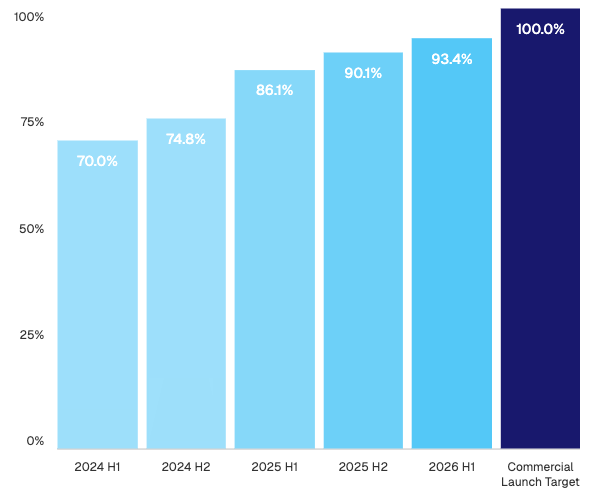
SCR · Safety Case Readiness
Measures how complete and mature the safety case is relative to commercial launch requirements. SCR reflects the extent to which SuperDrive’s architecture, processes, validation plans, and supporting evidence meet the thresholds required for safe deployment and was designed in part based on other market and industry practices.
- RAFT
Remote Assistance Free Trips
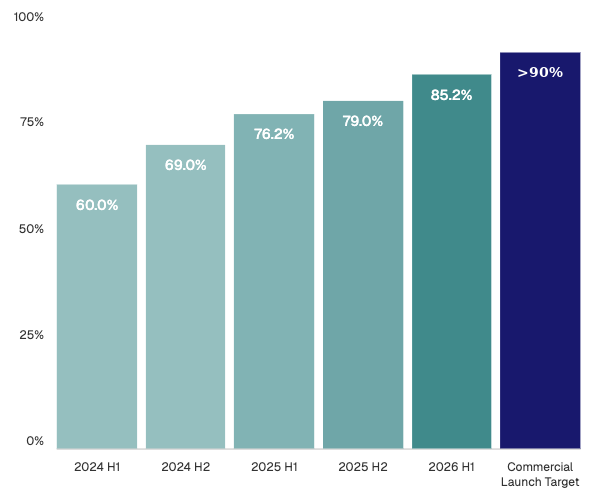
RAFT · Remote Assistance Free Trips
Measures the percentage of autonomous trips completed without any intervention from a remote operator or an onboard safety driver on a specified commercial route. A trip is RAFT‑compliant if SuperDrive maintains full control from departure to arrival without human assistance. While remote assistance will be available, RAFT demonstrates SuperDrive’s operational independence, technical maturity, and readiness for scaled deployment.
- AMP
Autonomous Miles Percentage
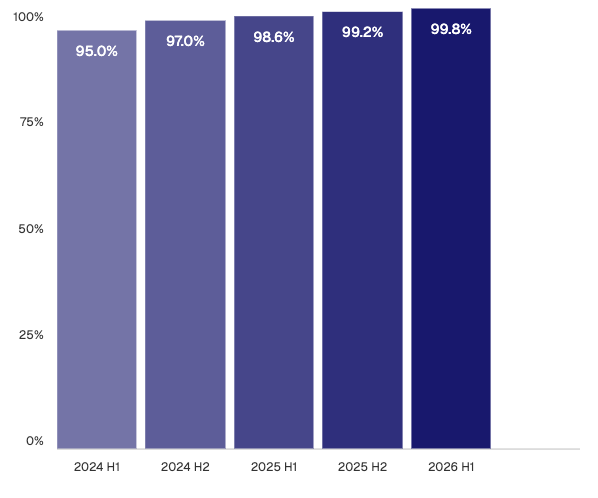
AMP · Autonomous Miles Percentage
AMP is a continuous measure of the percentage of total miles driven by SuperDrive under full autonomous control on a specified route. It reflects the system’s ability to remain engaged across all distances traveled, regardless of whether a trip is completed in its entirety without intervention. AMP complements RAFT by quantifying the extent and reliability of autonomous engagement across route segments, providing insight into system maturity and operational stability.
* Internally defined metrics involving management judgment; may not be comparable to other companies’ measures. As of the first half of 2026. Targets are goals, not guarantees. See our Form S-4 for definitions and risks.